Can You Switch Plane Seats? What's Allowed and When
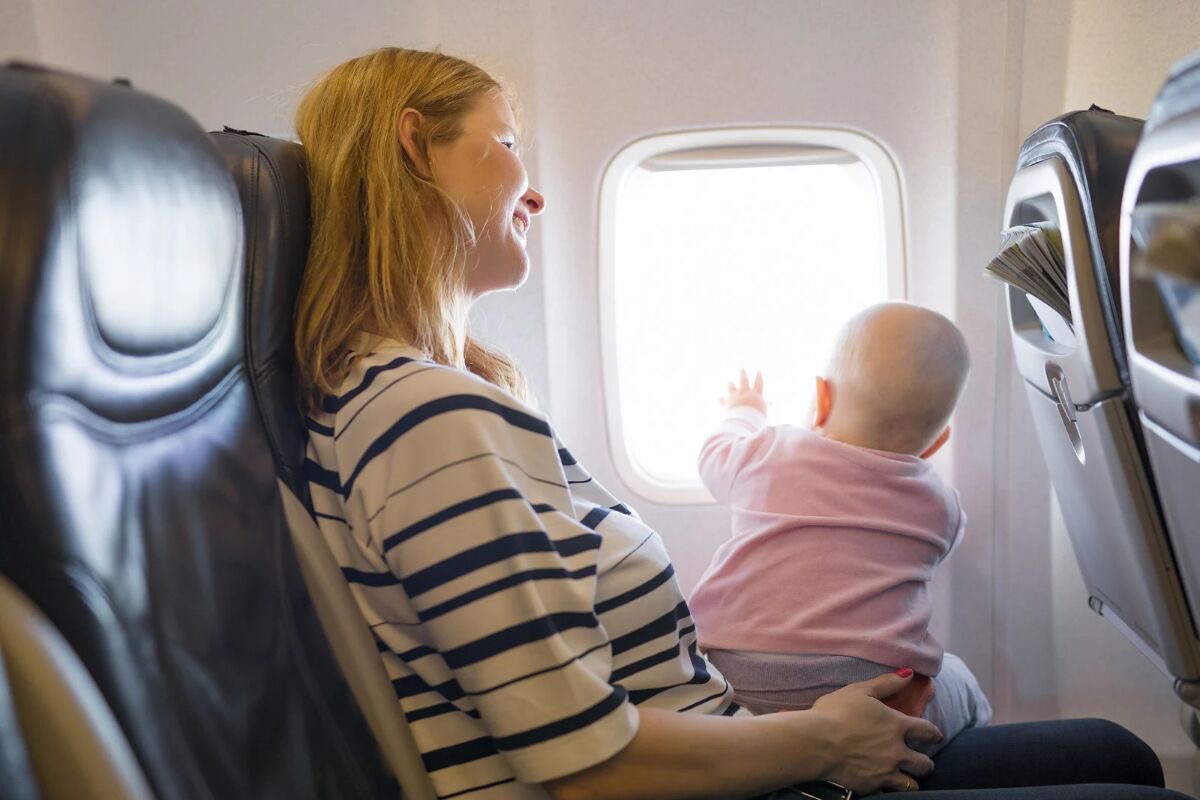
Spotting an empty row after boarding can feel like a small travel miracle. But whether a passenger can actually move there depends on timing, fare type, the aircraft, and, above all, the flight crew.
Here's what travelers need to know before they slide into a different seat.
1. Your Assigned Seat Isn't Guaranteed
The airline can move passengers, too
Seat switching works both ways. Delta's contract of carriage gives the airline broad authority to change seat assignments, and United and American have similar provisions.
Common reasons include aircraft swaps, a parent needing to sit near a small child, or an air marshal on board.
2. Wait Until the Door Closes
Boarding isn't over until it's over
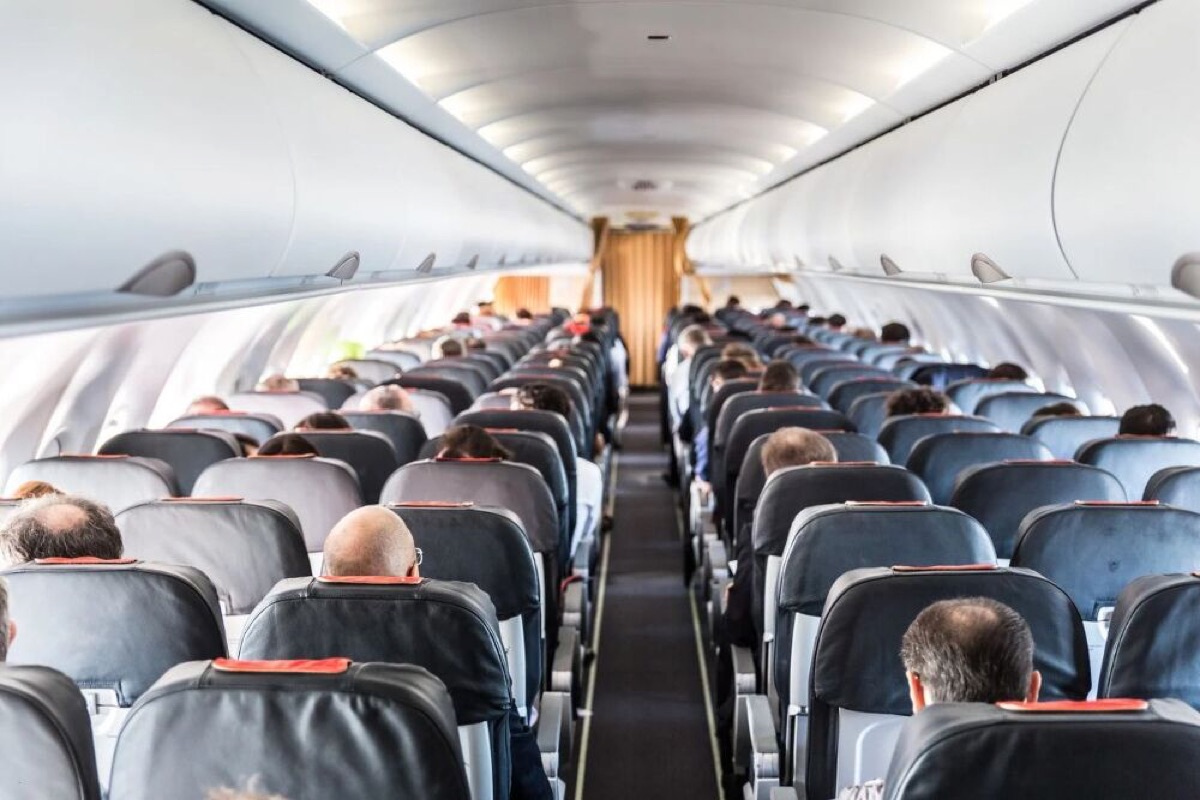
An empty seat mid-boarding isn't necessarily empty.
Late connecting passengers, standby airline employees, and crew adjustments for weight and balance mean nothing is certain until the boarding door closes, and sometimes not until after takeoff.
Weight and balance is real
Passenger counts by cabin zone feed into the pre-takeoff weight and balance calculations, so several people shuffling around afterward can throw those numbers off. Smaller regional jets tend to be the strictest about this.
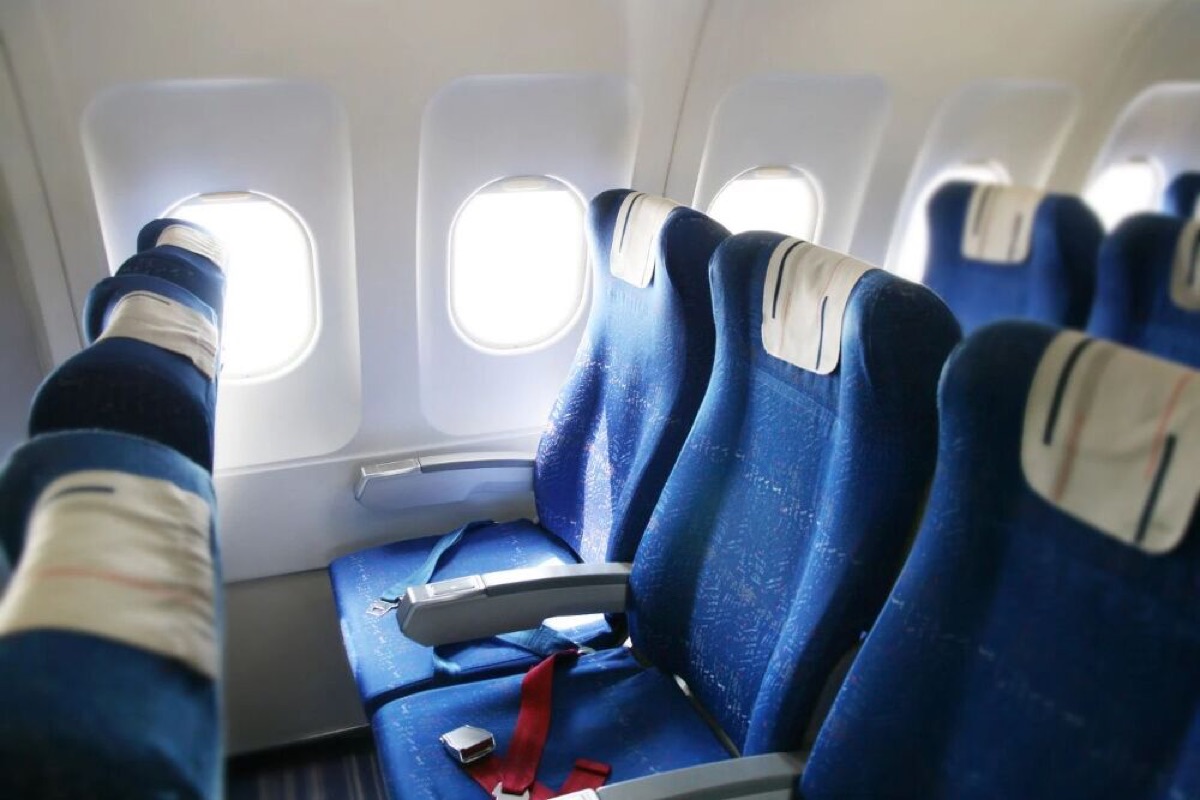
3. Know Which Seats Are Off-Limits
Premium seats aren't free upgrades
Moving into first or business class without paying has never been allowed. Many airlines now apply the same logic to extra-legroom economy seats.
American Airlines, for example, lets crew permit moves to open Main Cabin seats after boarding but not into Main Cabin Extra unless the passenger booked it.
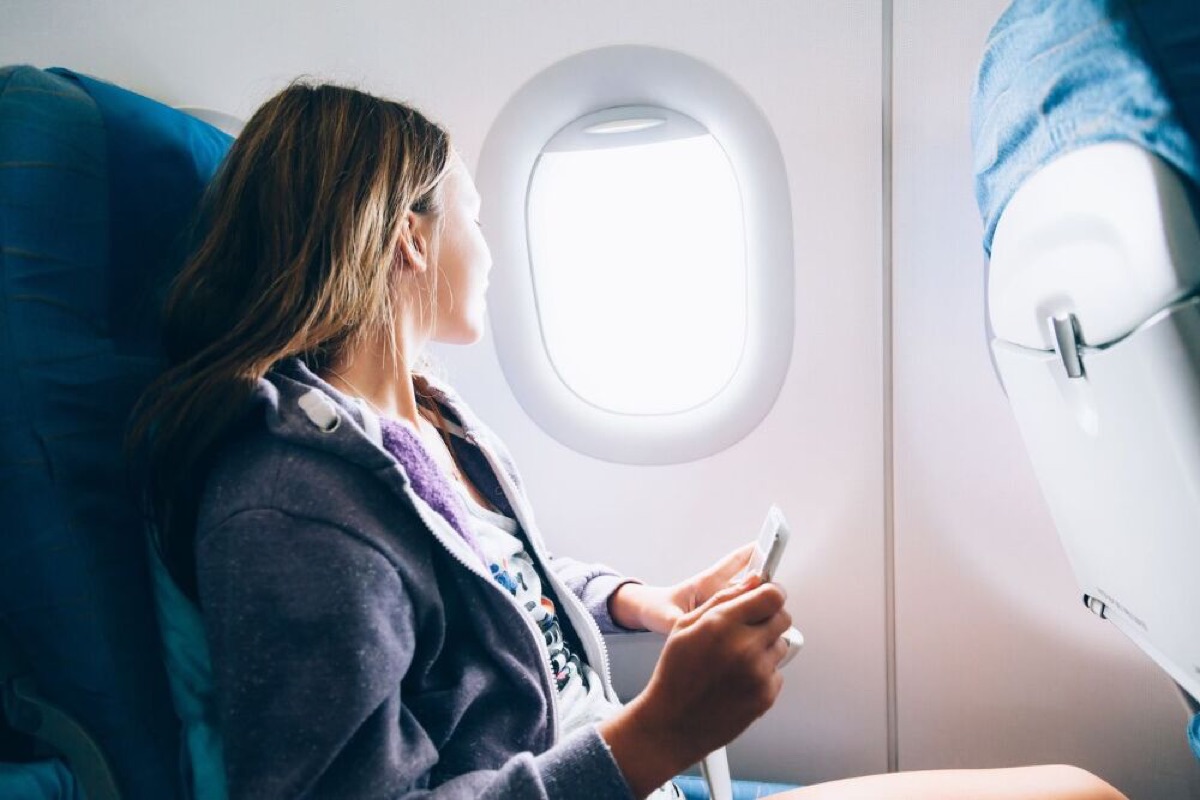
Exit rows come with federal rules
Exit row seating is governed by FAA regulation 14 CFR 121.585. Passengers must be at least 15, willing to help in an emergency, and physically able to open and move the exit door.
Crew must verify this, so an unapproved move into an exit row is a nonstarter.
4. How to Ask Another Passenger to Swap
Make it an easy yes
Nobody is obligated to give up their seat. Travelers hoping to sit with companions should never ask someone to trade into a worse seat, such as a window for a middle.
Offering a seat farther forward, or an equal swap, gets far better results.
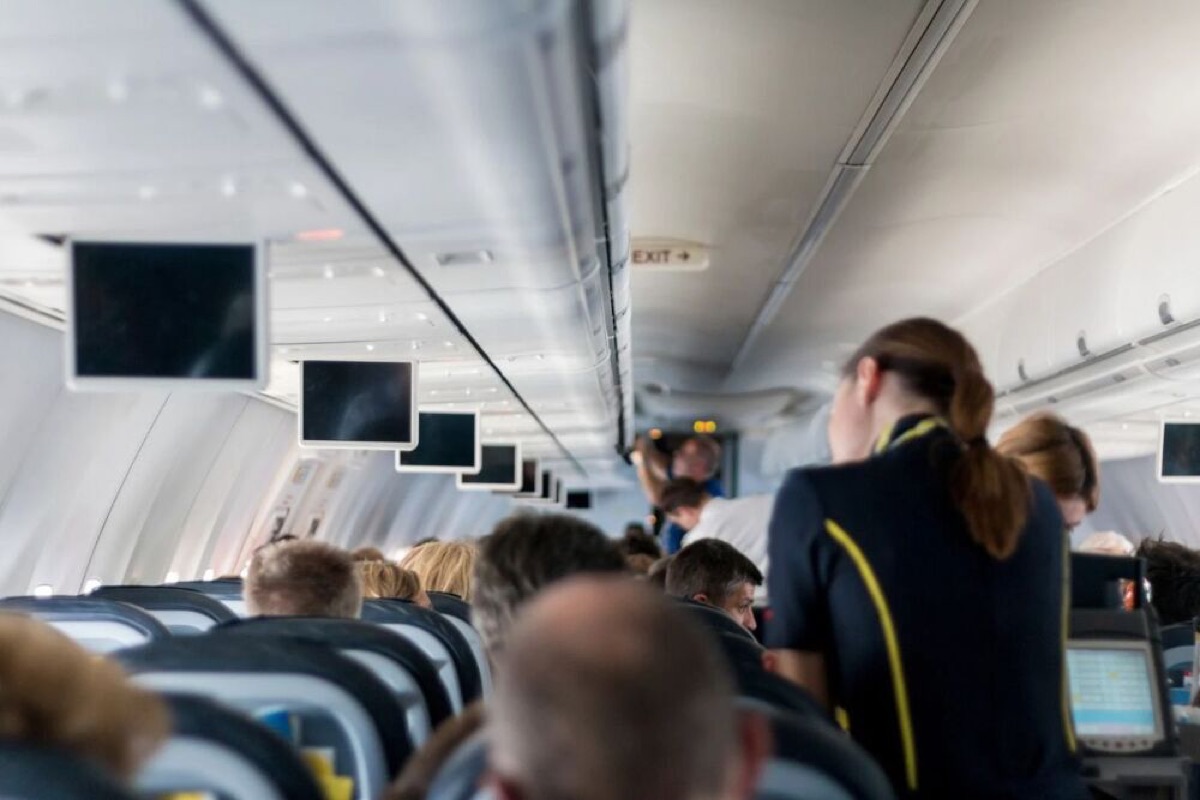
5. Traveling With Kids? Check Family Seating Policies
Don't rely on strangers
Families shouldn't count on seat swaps at the gate.
As of March 2026, five airlines (American, Alaska, Frontier, JetBlue, and Hawaiian) guarantee free adjacent seating for children 13 and under with an accompanying adult across all fare types.
A proposed federal rule to require this for all airlines has not been finalized.
6. When the Crew Says No
Their decision is final
A flight attendant may refuse a move for reasons passengers can't see, from weight distribution to a seat being held.
Arguing isn't worth it: federal law prohibits interfering with aircraft crew, and passengers can face civil penalties for disruptive behavior.
Writes about road trips and national parks.